
Retiring in Morocco as an expat offers an extraordinary blend of Mediterranean climate, rich cultural heritage, and remarkably low living costs just a short flight from Europe. Moreover, this North African kingdom welcomes international retirees with straightforward residency pathways, modernizing infrastructure, and warm community hospitality. Whether you envision sipping mint tea on a sunlit coastal terrace or exploring historic imperial cities, careful planning ensures a smooth transition.
Quick Answer: Retiring in Morocco as an expat requires a valid passport, proof of sufficient pension income (typically around 10,000 MAD or $1,000 USD per month), a clean criminal background check, and comprehensive private health insurance. Most retirees live comfortably on $1,500 to $2,500 USD monthly, depending on city and housing choices.
At-a-Glance Retirement Summary
- Best Cities for Retirees: Rabat, Tangier, Essaouira, Marrakech (Gueliz), and Agadir.
- Monthly Budget Range: 12,000 to 25,000 MAD ($1,200 to $2,500 USD) for a comfortable lifestyle.
- Best Seasons to Relocate: Spring (March to May) and Autumn (September to November) for mild weather.
- Key Financial & Insurance Needs: Private expat medical insurance with $250,000+ evacuation coverage and zero-foreign-transaction-fee banking.
1. Visa Rules, Residency & Strategic Timing for Retiring in Morocco as an Expat
Understanding the legal framework is the essential first step when planning retiring in Morocco as an expat. Fortunately, citizens from the United States, the United Kingdom, Canada, and the European Union receive a 90-day visa-free entry stamp upon arrival. However, staying beyond three months requires applying for a formal residency permit, known locally as the Carte de Séjour.
Navigating the Carte de Séjour Application
To secure your initial one-year residency card, you must apply at the local police prefecture (Bureau des Étrangers) in your chosen Moroccan city. Specifically, officials require proof of stable passive income, such as a government pension, Social Security statement, or investment dividends. In addition, you will need a Moroccan bank account showing regular transfers, a signed residential lease or property deed, and a certified criminal record check from your home country.
Furthermore, all foreign documents must be apostilled and officially translated into French or Arabic by a sworn translator in Morocco. As a result, starting this paperwork at least two months before your 90-day tourist window expires prevents unnecessary border runs. Once approved, the Carte de Séjour is typically renewed annually for the first few years before you qualify for a ten-year residency card.
Best Months and Seasonal Weather Patterns
Timing your move around Morocco’s diverse climate zones makes the initial apartment hunt far more pleasant. For example, coastal cities like Tangier, Rabat, and Essaouira enjoy mild winters and breezy summers, making them comfortable nearly year-round. In contrast, inland hubs such as Marrakech and Fes experience intense summer heat exceeding 40°C (104°F) between July and August.
Therefore, most experienced expats recommend arriving during spring (March to May) or autumn (September to November). During these shoulder seasons, daytime temperatures hover between 20°C and 26°C (68°F to 79°F), and local landlords are more flexible with long-term lease negotiations. Meanwhile, winter brings crisp evenings, especially in northern mountain towns, so packing layered clothing is always wise.
Retiring in Morocco as an expat: 2. Step-by-Step Relocation & Settling-In Blueprint
Moving abroad involves dozens of moving parts, yet breaking the process into a clear timeline eliminates stress. Before booking your one-way flight, organize your financial, medical, and legal records in both digital and physical folders. For additional preparation checklists, review our destination safety and relocation checklist before departure.
Phase 1: Pre-Departure Preparation (Months 1–2)
First, request your apostilled FBI background check or national police clearance, as these documents often take several weeks to process. Next, notify your domestic banks and pension providers of your upcoming international move so your accounts remain active without fraud freezes. Meanwhile, research international health insurance policies that specifically cover pre-existing conditions and emergency evacuation.
- Obtain an apostilled criminal background check and birth certificate.
- Gather six months of pension statements or proof of passive income.
- Secure a comprehensive travel medical policy for your initial 90 days.
- Scan and back up all vital records to an encrypted cloud drive.
Phase 2: Arrival and Local Setup (Weeks 1–4)
Upon landing, book a short-term furnished rental for at least four weeks rather than signing a long-term lease sight unseen. This buffer allows you to explore different neighborhoods on foot during morning, afternoon, and evening hours. Consequently, you can evaluate street noise, proximity to pharmacies, and access to fresh food markets before committing.
During your second week, open a convertible dirham bank account at a major Moroccan institution such as Attijariwafa Bank, BMCE Bank of Africa, or Société Générale. In addition, purchase a local SIM card from Maroc Telecom or Orange to establish a Moroccan phone number for utility bills and delivery apps. Finally, hire a local bilingual fixer or notary assistant if you need help navigating the prefecture queues.
3. Best Cities, Neighborhoods & Real Estate Guide
Choosing the right neighborhood defines your daily quality of life when retiring in Morocco as an expat. While historic medinas offer unmatched architectural charm, modern districts—often called Villes Nouvelles—provide elevators, underground parking, and reliable fiber-optic internet. Therefore, balancing cultural immersion with modern convenience is key.
Top Retirement Hubs Across the Kingdom
Rabat: As the nation’s capital, Rabat offers clean boulevards, lush parks, and a calm, diplomatic atmosphere. Neighborhoods like Agdal and Hay Riad feature modern apartments, international clinics, and a reliable tramway system. Moreover, Rabat’s coastal location keeps summer temperatures moderate.
Essaouira: This laid-back Atlantic port town attracts artists, writers, and retirees seeking a slower pace. You can walk everywhere within the UNESCO-listed medina or along the expansive sandy beach. However, strong coastal winds during summer months mean you should inspect apartment window seals carefully.
Marrakech (Gueliz & Hivernage): If you crave vibrant dining, golf courses, and direct international flights, Marrakech’s modern Gueliz district delivers. Here, retirees enjoy tree-lined avenues, French bakeries, and world-class private hospitals. For more cultural context on Morocco’s historic sites, consult the UNESCO World Heritage official guide.
Renting vs. Buying Property as a Foreigner
Foreigners are legally permitted to buy residential property in Morocco, with the notable exception of agricultural land. However, most experts advise renting for at least one full year before purchasing real estate. Renting lets you experience seasonal weather shifts and test neighborhood dynamics without tying up capital.
When you are ready to buy, always insist on a property with a registered Titre Foncier (official land title) rather than an older traditional deed. Furthermore, hire an independent Moroccan notary (notaire) to verify that no back taxes or liens exist on the home. Expect closing costs—including registration taxes, notary fees, and land registry charges—to add roughly 6% to 7% to the purchase price.
| City & Neighborhood | 1-Bed Modern Apartment (Monthly) | 2-Bed Upscale / Villa (Monthly) | Key Lifestyle Appeal |
|---|---|---|---|
| Rabat (Agdal / Hassan) | 6,500 – 9,000 MAD ($650 – $900) | 11,000 – 16,000 MAD ($1,100 – $1,600) | Clean, diplomatic, tram access, top clinics |
| Essaouira (Coastal / Medina) | 4,000 – 6,000 MAD ($400 – $600) | 7,500 – 11,500 MAD ($750 – $1,150) | Ocean breezes, walkable, artistic community |
| Marrakech (Gueliz) | 6,000 – 8,500 MAD ($600 – $850) | 10,000 – 15,000 MAD ($1,000 – $1,500) | Sunny winters, golf, international airport |
| Tangier (Malabata / Marshan) | 5,500 – 8,000 MAD ($550 – $800) | 9,500 – 14,000 MAD ($950 – $1,400) | Ferry to Spain, high-speed rail, sea views |
4. Complete Cost of Living, Food & Transport Breakdown
One of the strongest incentives for retiring in Morocco as an expat is the exceptional purchasing power of foreign pensions. Fresh produce, local services, and domestic utilities cost a fraction of North American or Western European rates. For a broader look at stretching your retirement funds, explore our international living budget guide.
Daily Groceries, Utilities, and Domestic Help
Shopping at neighborhood souks (open-air markets) keeps food bills remarkably low. For example, a weekly basket of seasonal vegetables, citrus fruits, olives, and fresh herbs rarely exceeds 200 MAD ($20 USD). In contrast, imported European cheeses, wines, and specialty goods at Carrefour or Marjane supermarkets carry higher price tags.
Meanwhile, high-speed fiber internet costs around 250 to 500 MAD ($25 to $50 USD) per month. Electricity and water bills average 400 to 800 MAD ($40 to $80 USD), though running air conditioning continuously in August will raise that figure. Additionally, many retirees hire a reliable housekeeper once or twice a week for roughly 150 to 200 MAD ($15 to $20 USD) per visit.
Getting Around: High-Speed Rail, Buses, and Taxis
Morocco boasts Africa’s first high-speed train, the Al Boraq, which connects Tangier to Casablanca in just over two hours. Regular ONCF trains also link Rabat, Marrakech, Fes, and Meknes with comfortable first-class cabins. For destinations without rail access, such as Essaouira or Chefchaouen, CTM and Supratours intercity coaches offer punctual, air-conditioned travel.
Within cities, metered petit taxis provide inexpensive door-to-door rides starting at just 7 to 15 MAD ($0.70 to $1.50 USD). However, always confirm that the driver turns on the meter (compteur) at the start of your trip. Ride-hailing apps like Careem and InDrive also operate in major urban centers, offering transparent upfront pricing.
| Expense Category | Budget Lifestyle (Monthly) | Comfortable Expat Lifestyle (Monthly) | Notes & Local Tips |
|---|---|---|---|
| Rent (1-2 Bed Apartment) | 4,500 MAD ($450) | 8,500 MAD ($850) | Higher in central Rabat or Gueliz |
| Groceries & Local Markets | 2,200 MAD ($220) | 3,800 MAD ($380) | Includes fresh produce and some imports |
| Dining Out & Cafes | 1,200 MAD ($120) | 2,800 MAD ($280) | Local tagines vs. upscale bistros |
| Utilities & Fiber Internet | 650 MAD ($65) | 1,100 MAD ($110) | Varies with summer AC or winter heating |
| Local Transit & Trains | 450 MAD ($45) | 900 MAD ($90) | Taxis, trams, and occasional ONCF rail |
| Total Estimated Monthly | 9,000 MAD ($900) | 17,100 MAD ($1,710) | Excludes private health insurance |
5. High-CPC Healthcare Insurance, Banking & Connectivity Strategy
Protecting your health and wealth abroad requires proactive financial planning. While Morocco’s private clinics offer modern care at reasonable out-of-pocket prices, major medical emergencies can quickly deplete savings without proper coverage.
Essential Financial & Insurance Pillars for Retirees
1. Expat Health Insurance & $250k+ Medical Evacuation Coverage
Although Morocco has a public healthcare system, expat retirees rely almost exclusively on private clinics in cities like Casablanca, Rabat, and Marrakech. Therefore, securing an international expat healthcare insurance policy is non-negotiable. Specifically, choose a plan that includes at least $250,000 in emergency medical evacuation coverage, which guarantees air transport to Europe or your home country if specialized surgery is required. Expect comprehensive annual premiums for retirees aged 60 to 70 to range between $2,500 and $5,500 USD depending on your deductible.
2. Zero-Foreign-Transaction-Fee Credit Cards & ATM Reimbursement
Managing cross-border pensions efficiently saves thousands of dollars over a decade. First, open a checking account and carry a zero foreign transaction fee credit card before leaving home, as standard cards charge 3% on every dirham spent. In addition, select a debit card that offers worldwide ATM fee reimbursement, because local Moroccan ATMs frequently charge 30 to 40 MAD per withdrawal. Always decline dynamic currency conversion at the ATM and choose to be billed in Moroccan dirhams (MAD) for the fairest exchange rate.
3. Car Rental Collision Damage Waiver (CDW) & Deductible Protection
If you plan to lease or rent vehicles for scenic road trips through the Atlas Mountains, never overlook insurance gaps. Many local agencies include only basic third-party liability, leaving you exposed to steep repair bills. Consequently, using a premium credit card with primary Collision Damage Waiver (CDW) or purchasing standalone deductible protection shields your retirement nest egg from unexpected road incidents.
4. 5G eSIM International Data Roaming Plans
Staying connected to your banks, family, and telehealth doctors requires reliable mobile data from the moment you land. Installing an international 5G eSIM data plan on your unlocked smartphone provides instant connectivity at the airport without hunting for kiosks. Once settled, you can pair your eSIM with a local Moroccan SIM card for inexpensive domestic calls and dual-SIM flexibility.

6. Cultural Etiquette, Safety & Common Mistakes to Avoid
Integrating smoothly into Moroccan society brings immense daily rewards. Moroccans are famously hospitable, and learning a few phrases in Darija (Moroccan Arabic) or French immediately opens doors with neighbors and shopkeepers. Above all, patience and warmth go a long way when navigating local bureaucracy.
Cultural Etiquette and Everyday Safety
Morocco is generally very safe for retirees, with low rates of violent crime. However, petty pickpocketing can occur in crowded medinas, so keeping valuables in a zipped crossbody bag is smart practice. Furthermore, dressing modestly—covering shoulders and knees in traditional neighborhoods—shows respect for local customs and invites positive interactions.
During the holy month of Ramadan, daily rhythms shift noticeably. Many local cafes close during daylight hours, and eating or drinking openly in the street is discouraged out of courtesy. In contrast, evenings come alive with festive family gatherings and special pastries after sunset.
Common Mistakes New Expats Make
- Skipping the Apostille Process: Arriving without apostilled birth certificates and police records forces costly courier delays later.
- Buying Property Too Quickly: Purchasing a home before experiencing all four seasons in a neighborhood often leads to regret.
- Ignoring Currency Controls: Failing to register your initial foreign currency transfer with a Moroccan bank can complicate repatriating funds if you later sell property.
- Underestimating Winter Indoor Cold: Many Moroccan apartments lack central heating, so prioritize south-facing windows or portable space heaters.
7. Local Dining, Hidden Gems & Practical FAQs
Life in Morocco revolves around fresh, seasonal cuisine and unhurried social rituals. Beyond famous lamb tagines and Friday couscous, retirees quickly discover neighborhood bakeries selling warm msemen flatbreads for pennies. Meanwhile, coastal towns serve grilled sardines, sea bream, and calamari straight off the morning boats.
Hidden Gems Worth Exploring in Retirement
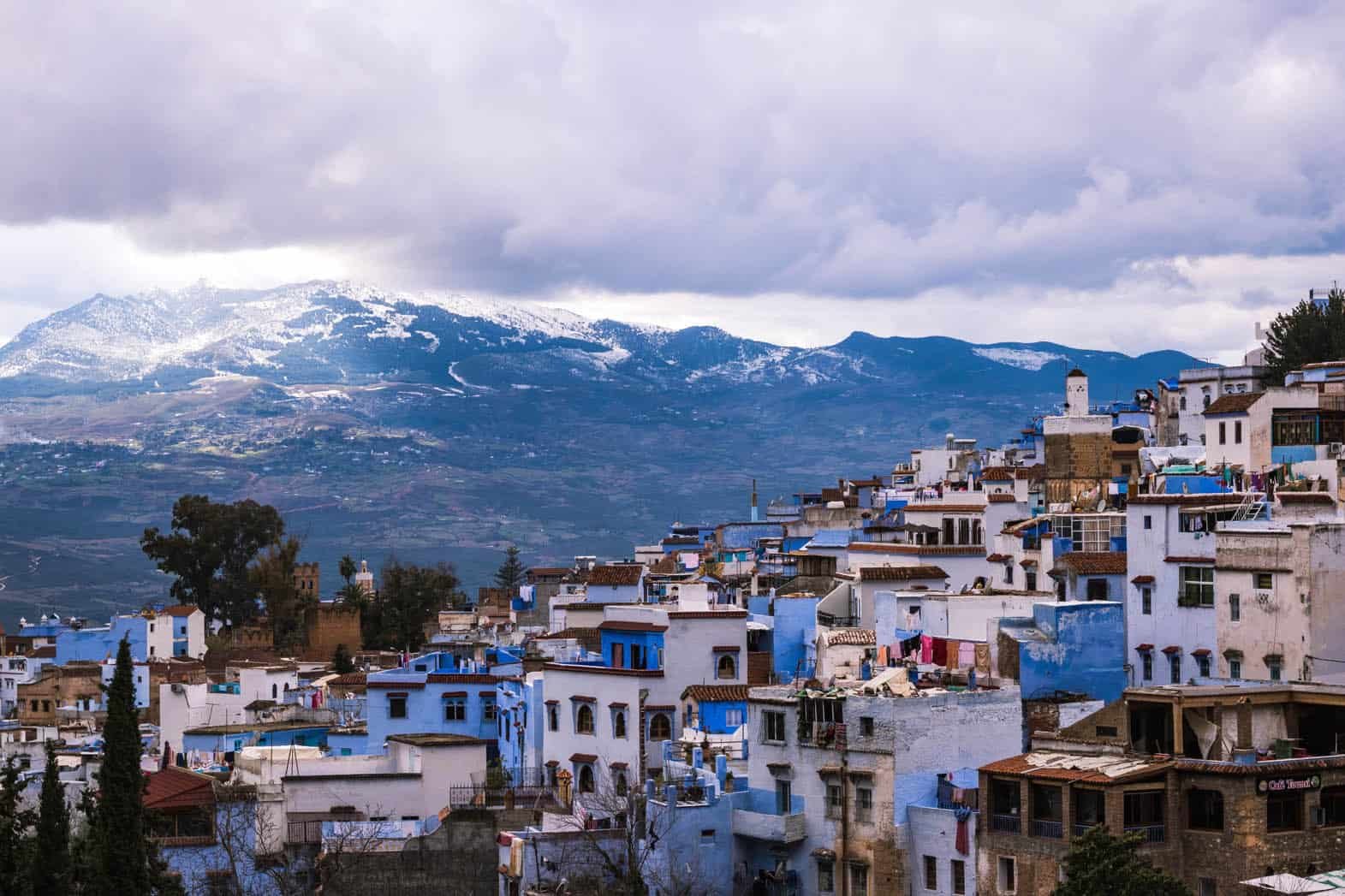
Once you establish your home base, weekend trips reveal Morocco’s astonishing diversity. For instance, the quiet mountain town of Chefchaouen offers crisp air and hiking trails in the Rif Mountains. Similarly, the palm oases of Skoura and the coastal lagoon of Oualidia provide peaceful retreats far from major tourist crowds.
Frequently Asked Questions
1. How much money do I need per month when retiring in Morocco as an expat?
Most retirees live comfortably on 15,000 to 22,000 MAD ($1,500 to $2,200 USD) per month, including rent, groceries, utilities, and dining out. However, single individuals in smaller coastal towns like Essaouira can manage well on $1,200 USD monthly. In contrast, luxury villas in Marrakech or Casablanca will naturally require a higher budget.
2. Do I need to speak Arabic or French to retire in Morocco?
While English is increasingly spoken in tourist areas and major hotels, French remains the primary language of business, banking, and medical clinics. Therefore, learning basic French or Darija phrases makes daily errands, lease negotiations, and doctor visits much smoother. Fortunately, many expats pick up conversational French within their first few months.
3. Is my foreign pension taxed in Morocco?
Morocco has double-taxation treaties with many countries, including the United States, the United Kingdom, Canada, and most European nations. Furthermore, Morocco offers an attractive 80% tax reduction on foreign pensions transferred into a local Moroccan bank account in convertible dirhams. Always consult a qualified cross-border tax advisor to structure your transfers properly.
4. Can I bring my pets when retiring in Morocco?
Yes, you can bring cats and dogs into Morocco, provided they are microchipped and vaccinated against rabies. In addition, you will need an official veterinary health certificate issued within a few days of travel and endorsed by your home country’s agricultural authority. Checking airline pet policies well in advance ensures a stress-free journey for your companion.
5. What is the quality of healthcare for expats in Morocco?
Private healthcare in major cities such as Rabat, Casablanca, and Marrakech is modern, with many physicians trained in France or North America. Routine doctor visits and dental care are very affordable compared to Western rates. However, maintaining comprehensive private expat insurance with medical evacuation coverage remains essential for complex emergencies.
Conclusion: Your Next Steps Toward a Moroccan Retirement
Retiring in Morocco as an expat combines financial freedom, cultural richness, and year-round sunshine in one welcoming destination. By organizing your apostilled residency paperwork early, choosing a neighborhood that fits your climate preferences, and securing robust healthcare insurance, you set yourself up for a deeply rewarding chapter abroad. Above all, take time to visit during different seasons before making your final move—your ideal Moroccan home awaits.
Ultimately, by following this comprehensive blueprint, your retiring in Morocco as an expat will deliver authentic cultural experiences, predictable daily costs, and smooth logistics from start to finish.
Ultimately, by following this comprehensive blueprint, your retiring in Morocco as an expat will deliver authentic cultural experiences, predictable daily costs, and smooth logistics from start to finish.